

Photography has long served as a medium for capturing moments, stories, and realities of the world around us. Two prominent genres within this realm are Documentary Photography and Photojournalism.
While they may appear similar at first glance, they possess distinct characteristics, purposes, and methodologies. Understanding these differences is crucial for both practitioners and audiences to grasp the unique essence each genre offers.
Definition and Purpose
Documentary Photography
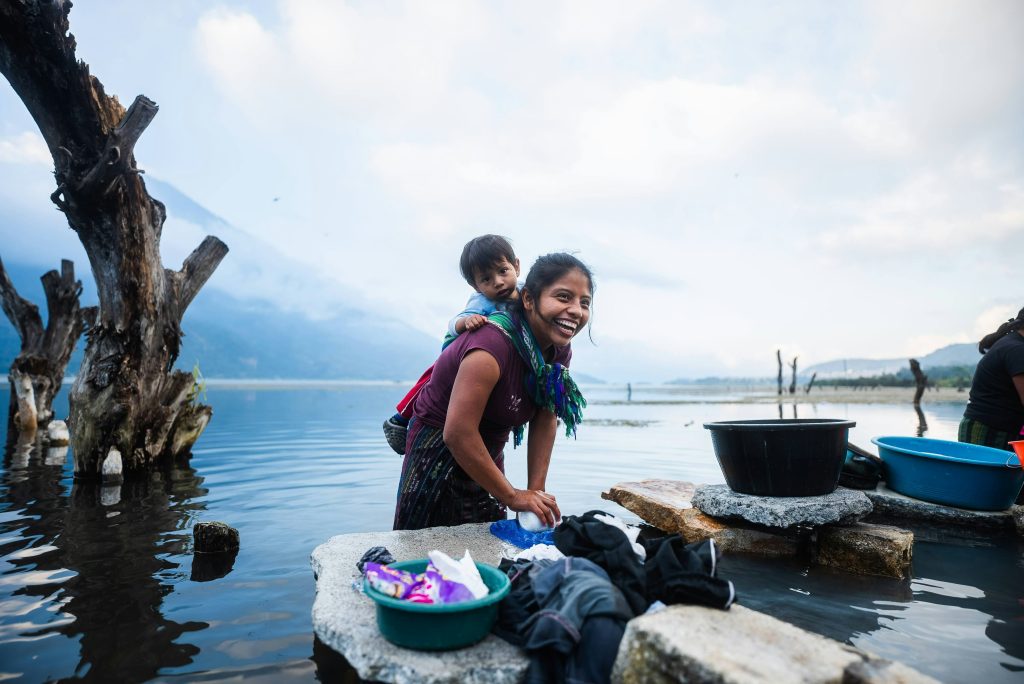
Documentary photography involves capturing images to document significant events, social issues, or everyday life with the aim of preserving historical or cultural truths. It often focuses on long-term projects that delve deep into a particular subject matter, aiming to evoke emotions and provoke thought.
Photojournalism
Photojournalism, on the other hand, is a form of journalism that utilizes images to tell news stories. It emphasizes timely, objective reporting of current events, often through single images that encapsulate the essence of a situation. Photojournalists work under strict ethical guidelines, aiming to present an accurate portrayal of events without bias.
Approach and Methodology
Documentary Photography
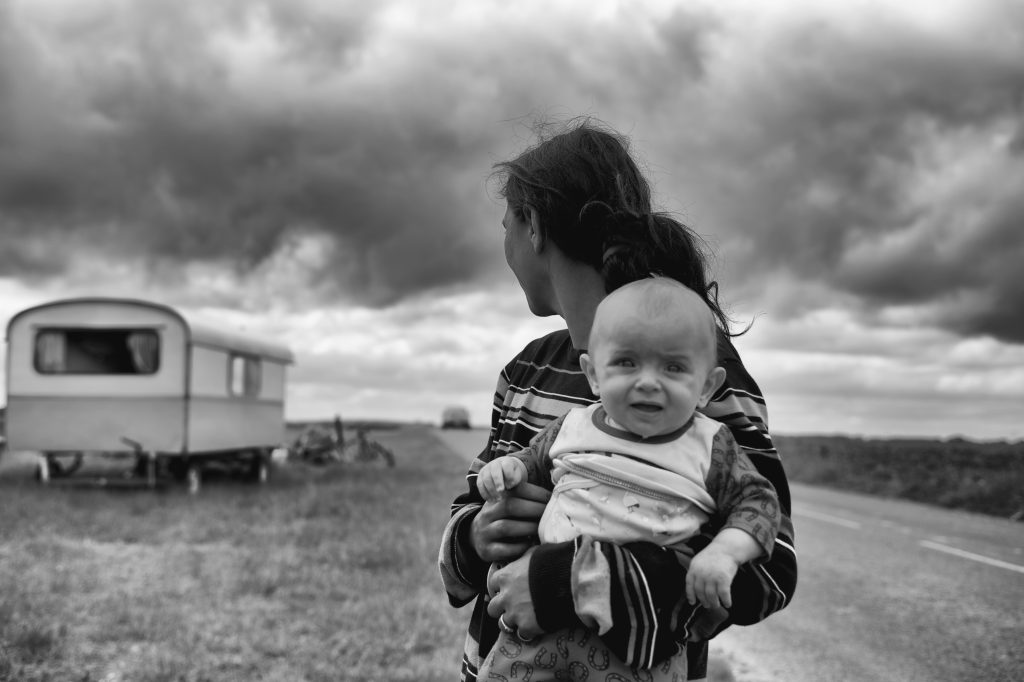
Documentary photographers typically have more creative freedom and flexibility in their approach. They may spend extended periods immersing themselves in a subject, building relationships with subjects, and carefully composing images to convey a narrative. The emphasis lies on storytelling through a series of images, often supplemented with text or captions to provide context.
Photojournalism
Photojournalists operate under tight deadlines and must capture compelling images quickly and accurately. They often work in challenging and unpredictable environments, relying on their intuition and technical skills to seize the decisive moment. Objectivity and impartiality are paramount, with minimal alteration of images allowed to maintain authenticity.

Subject Matter and Scope
Documentary Photography
Documentary photographers cover a broad range of subjects, from social issues such as poverty, inequality, and environmental degradation to cultural practices, traditions, and human stories. Their work aims to shed light on overlooked or marginalized aspects of society, fostering empathy and understanding.
Photojournalism
Photojournalists primarily focus on news events, ranging from conflicts and disasters to politics, sports, and human interest stories. Their images often appear in newspapers, magazines, and online publications, serving to inform the public and shape public discourse on current affairs.
Impact and Legacy
Documentary Photography
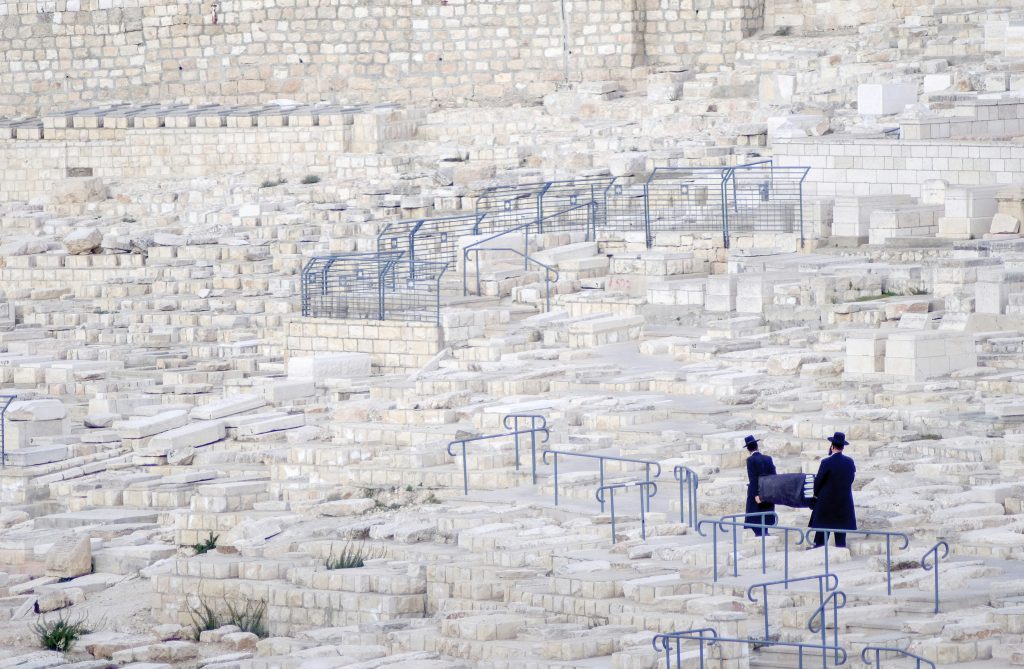
Documentary photographers leave behind a lasting visual legacy, providing insights into historical events, societal changes, and human experiences. Their images serve as valuable records for future generations, prompting reflection and dialogue on issues that transcend time and place.
Photojournalism
Photojournalism plays a crucial role in shaping public opinion and influencing policy decisions. Powerful images have the potential to spark social change, raise awareness of humanitarian crises, and hold those in power accountable for their actions. Iconic photographs often become symbols of key moments in history, leaving an indelible mark on collective memory.
Subject Research
Documentary Photographers
Documentary photographers often engage in extensive research before starting a project. They may spend significant time studying their subject matter, understanding its historical context, and building relationships with the people involved. Research helps them gain insight into the nuances of the topic they wish to explore, allowing for a more informed and empathetic approach to storytelling.
Photojournalists
While photojournalists also conduct research, their process tends to be more focused on gathering information related to specific news events or assignments. They often rely on firsthand accounts, official reports, and background briefings to contextualize their coverage. Due to the fast-paced nature of news reporting, photojournalists may have limited time for in-depth research compared to documentary photographers.

Photography Execution
Documentary Photographers
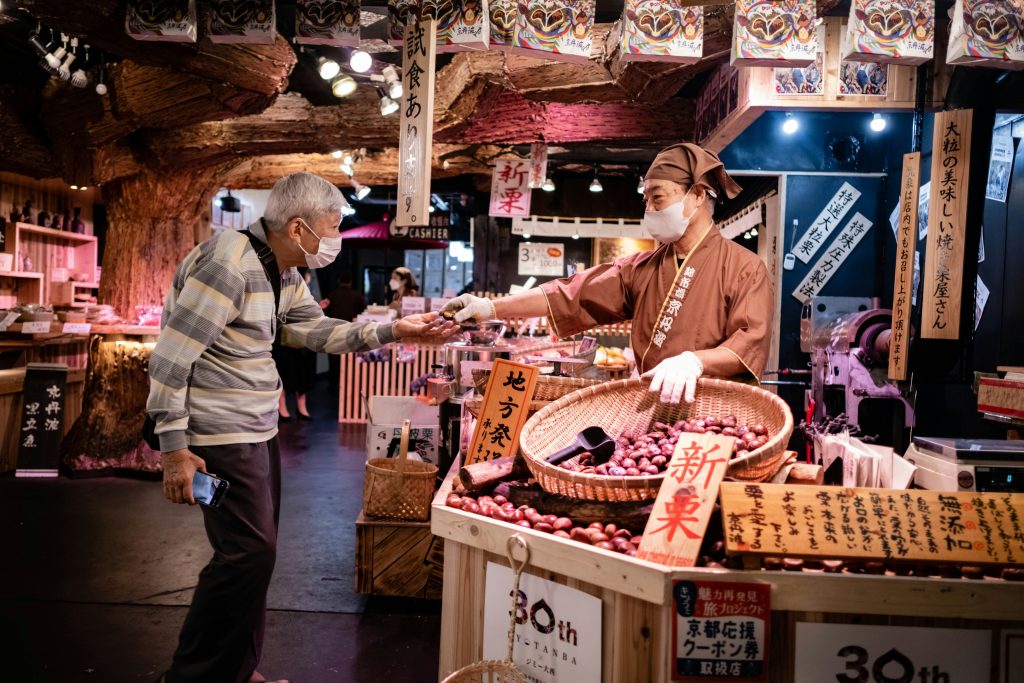
Documentary photographers have the luxury of time to carefully plan and execute their projects. They may choose to work on long-term endeavors, immersing themselves in their subject matter and capturing images over an extended period. This allows for a more deliberate and contemplative approach to photography, with opportunities to explore different angles and perspectives.
Photojournalists
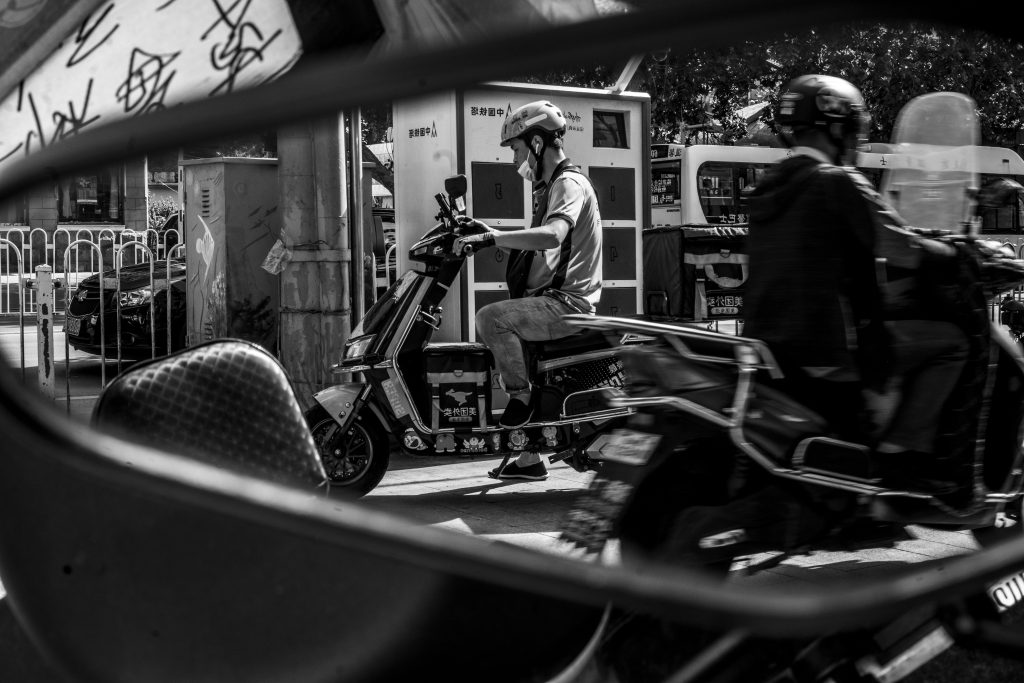
Photojournalists operate under tight deadlines and often face unpredictable situations in the field. They must rely on quick thinking, adaptability, and technical proficiency to capture compelling images in real-time. Photojournalism requires the ability to react swiftly to unfolding events, making split-second decisions about composition, framing, and timing to convey the essence of a story.
Final Body of Work
Documentary Photographers
The final body of work produced by documentary photographers often takes the form of a cohesive photo essay, series, or book. These collections of images are curated to tell a compelling narrative and evoke emotional responses from viewers. Documentary photographers may supplement their photographs with accompanying text, interviews, or audiovisual elements to provide additional context and depth.
Photojournalists
Photojournalists typically produce individual images or photo essays that are published in newspapers, magazines, or online platforms. Their work is geared towards informing the public about current events and shaping public discourse. While photojournalistic images may also tell a story, they are often consumed in isolation and are less likely to be presented as part of a larger, thematic body of work.
Exposure to Traumatic Events
Documentary Photographers
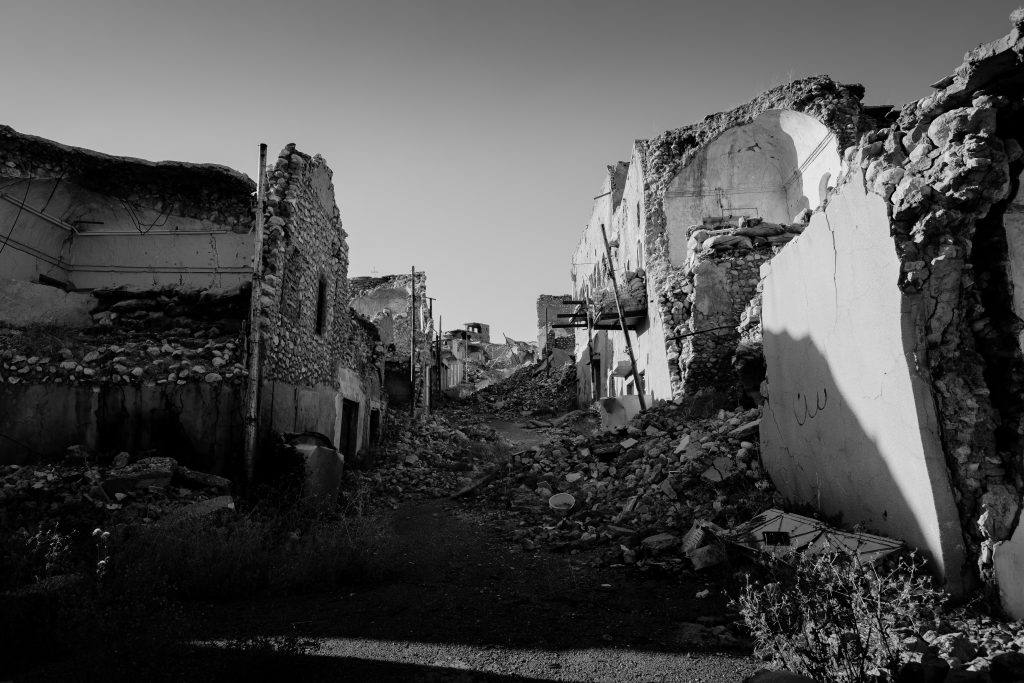
Documentary photographers often immerse themselves in long-term projects that may involve documenting sensitive or emotionally challenging subjects such as conflict zones, social injustices, or human suffering. They may spend extended periods building relationships with their subjects, witnessing their struggles firsthand, and grappling with the ethical implications of their work.
Photojournalists
Photojournalists frequently cover breaking news events, including natural disasters, conflicts, and acts of violence, where they may encounter traumatic scenes and witness human suffering. While their exposure to traumatic events may be intense, it’s often episodic, with assignments typically lasting for shorter durations compared to documentary projects.
Emotional Impact and Burnout
Documentary Photographers
Documentary photographers may experience prolonged exposure to distressing situations, leading to emotional exhaustion, compassion fatigue, and burnout. The emotional toll of bearing witness to suffering over an extended period can take a significant toll on their mental well-being, requiring them to develop coping mechanisms and seek support from peers or mental health professionals.
Photojournalists
Photojournalists may also experience emotional distress and burnout, particularly when covering high-risk assignments or witnessing traumatic events. However, the episodic nature of their work may allow for periods of rest and recovery between assignments, mitigating the risk of prolonged exposure to trauma.
Ethical Considerations
Documentary Photographers
Documentary photographers often grapple with ethical dilemmas related to their portrayal of vulnerable individuals or communities. They must navigate issues of consent, privacy, and representation sensitively, ensuring that their work respects the dignity and autonomy of their subjects.
Photojournalists
Photojournalists also face ethical challenges, particularly concerning the depiction of violence, graphic imagery, and the potential impact of their work on public perceptions. They must balance the imperative to bear witness to events with the need to minimize harm and uphold ethical standards of accuracy and integrity in their reporting.
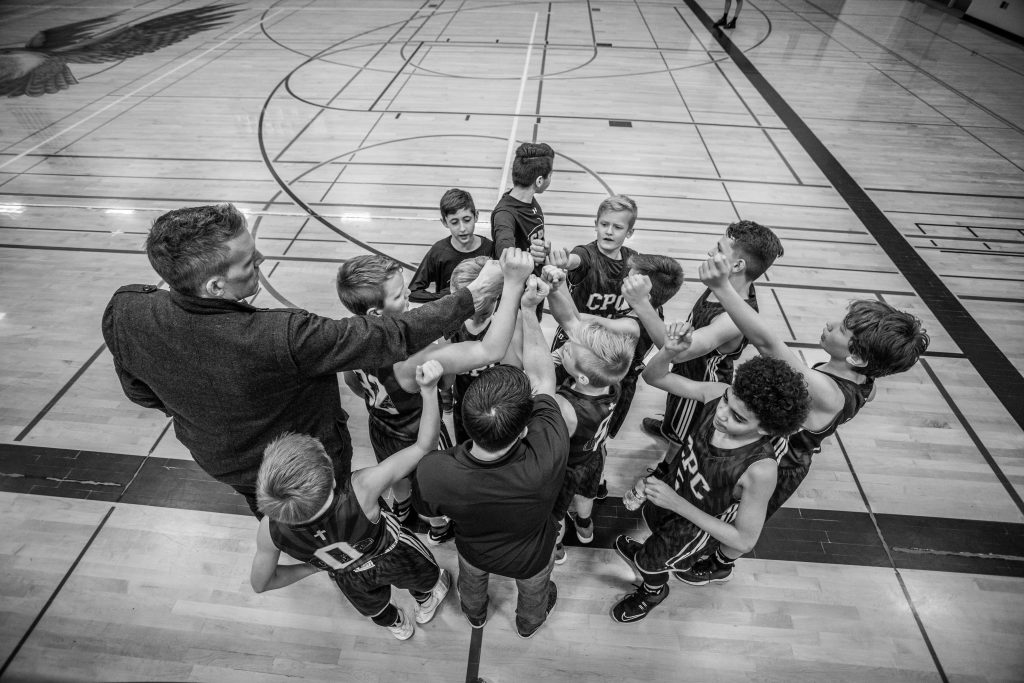
Coping Mechanisms and Support Systems:
Documentary Photographers
Documentary photographers may rely on a range of coping mechanisms to navigate the emotional challenges of their work, including self-care practices, mindfulness techniques, and engaging in creative pursuits outside of photography. They may also benefit from supportive networks of colleagues, mentors, and mental health professionals who understand the unique demands of their profession.
Photojournalists
Photojournalists often develop resilience and coping strategies through their experiences in the field, drawing on their training, professionalism, and camaraderie with fellow journalists. They may also access resources provided by news organizations, such as peer support programs, trauma training, and access to counseling services.
Legal Considerations
Documentary Photographers
For documentary photographers, legal considerations entail obtaining informed consent for long-term projects, navigating privacy laws regarding image capture, and retaining copyright ownership while ensuring the accurate portrayal of subjects to avoid defamation. They must balance these concerns while engaging in immersive storytelling.
Photojournalists
Photojournalists operate within fast-paced news environments where obtaining consent can be challenging, yet they must still adhere to privacy laws and copyright regulations. They face risks of defamation and libel in their reporting and must uphold ethical standards while capturing timely and impactful images for public consumption.

Gear: Cameras & Lenses
Documentary Photographers
Documentary photographers often prefer high-resolution DSLR or mirrorless cameras with full-frame sensors. These cameras provide excellent image quality and allow for extensive post-processing if needed. Some documentary photographers may also opt for medium format cameras for even higher image quality.
Documentary photographers may use a variety of prime and zoom lenses to suit their storytelling needs. Wide-angle lenses are commonly used for environmental shots, while standard and telephoto lenses help capture details and portraits. Prime lenses with wide apertures are valued for their ability to produce shallow depth of field and low-light performance.
Photojournalists
Photojournalists typically favor DSLR or mirrorless cameras known for their speed, durability, and low-light performance. They often prioritize cameras with fast autofocus systems, high burst rates, and robust weather sealing to handle the demands of fast-paced, unpredictable environments.
Photojournalists typically rely on a versatile zoom lens, such as a 24-70mm or 24-105mm, to cover a wide range of focal lengths in fast-paced situations. They may also carry a fast prime lens, like a 50mm or 35mm, for low-light conditions or to achieve a more intimate perspective.
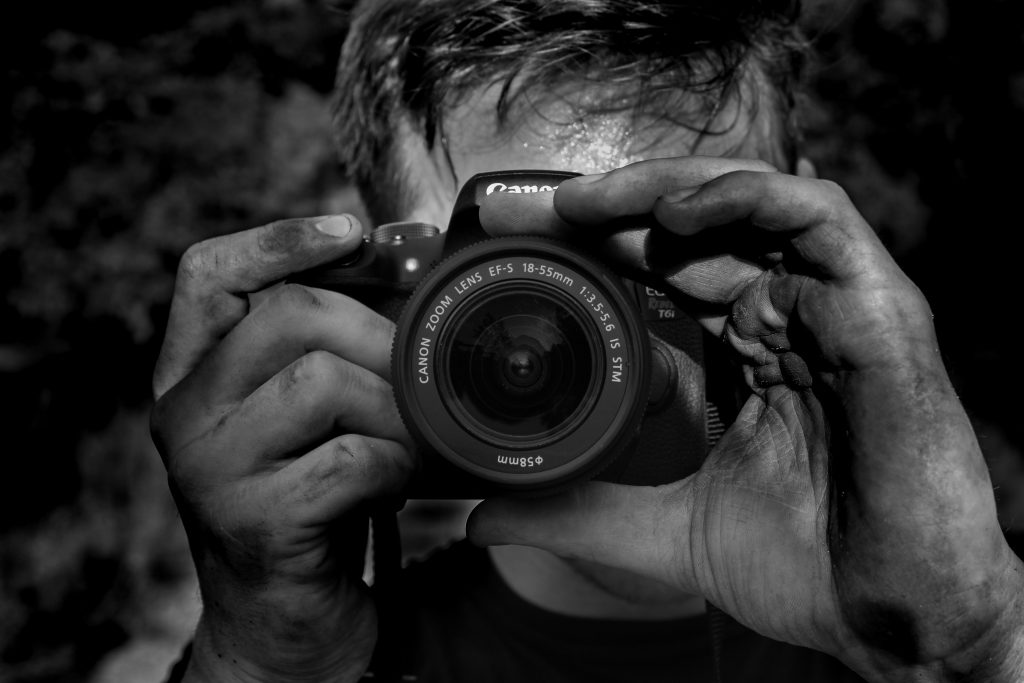
Gear: Accessories & Bags and Carrying Gear
Documentary Photographers
Documentary photographers may carry additional accessories such as tripods, filters, and external lighting equipment to control the aesthetic of their images in various lighting conditions. They may also use audio recording devices or drones to complement their visual storytelling.
Documentary photographers may opt for larger camera bags or backpacks to accommodate their camera bodies, lenses, and accessories for extended shooting sessions. They prioritize comfort and functionality, especially when working in remote or challenging environments.
Photojournalist
Photojournalists prioritize mobility and efficiency, so they tend to carry minimal accessories. They may use a flash unit for indoor or low-light situations, but they often rely on natural or available light to capture candid moments authentically.
Photojournalists often prefer lightweight, compact camera bags or shoulder bags that allow for quick access to their gear while on assignment. They prioritize mobility and discretion, especially when working in crowded or sensitive situations.

Final Word
Documentary photography and photojournalism are both indispensable forms of visual storytelling, each with its own distinct characteristics and contributions to the field of photography. While documentary photography delves deep into subjects over extended periods, aiming to evoke emotions and provoke thought, photojournalism focuses on timely, objective reporting of current events to inform and engage the public.
By understanding the nuances between these genres, we gain a deeper appreciation for the diverse ways in which photography can capture and convey the complexities of the world around us.


