Are We Desensitised Against Conflict / War Photography?
In an age where images are constantly bombarding our screens, from social media feeds to news broadcasts, the impact of photography, particularly conflict and war photography, on our collective consciousness cannot be overstated. These images can evoke strong emotions, provoke thought, and spur action. Yet, in a world inundated with visual stimuli, are we becoming desensitized to the stark realities captured by conflict photographers?
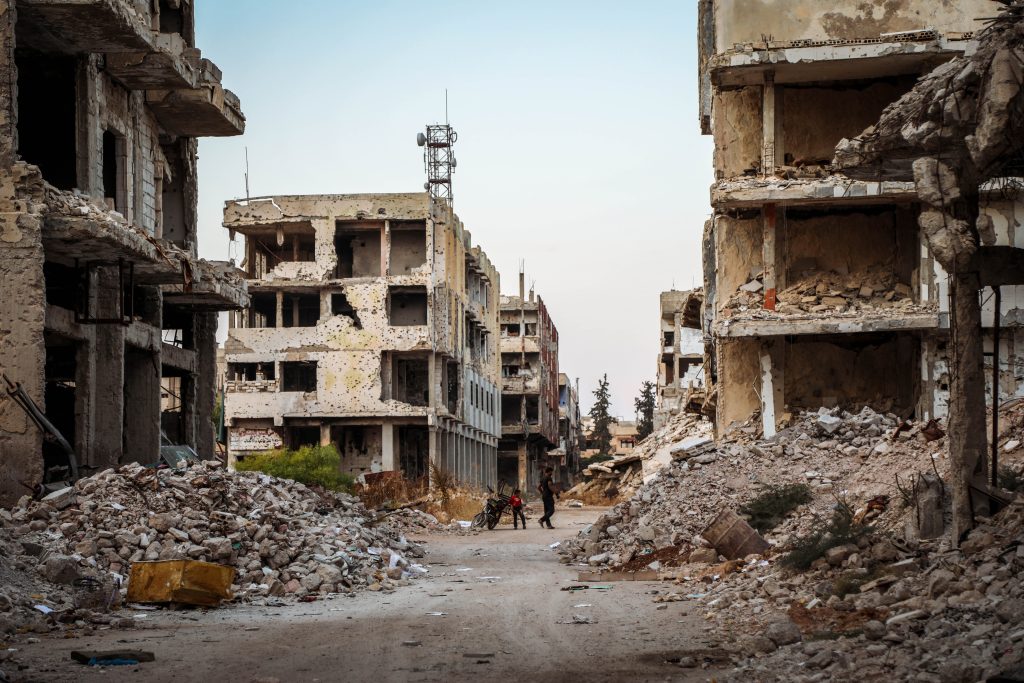
Mohammed Ibrahim
The history of conflict photography is as old as the medium itself. From the American Civil War to the present day, photographers have ventured into war zones, risking their lives to document the horrors of conflict. Their images have provided a window into the human cost of war, exposing the suffering of civilians, the bravery of soldiers, and the devastation wrought by violence. Iconic photographs like Robert Capa’s “The Falling Soldier” and Nick Ut’s “The Napalm Girl” have become ingrained in our collective memory, shaping our understanding of war and its consequences.
However, the proliferation of digital technology and the 24-hour news cycle have changed how we consume conflict images. Graphic photographs that once shocked the world now compete for attention alongside viral videos and memes. As a result, there is a concern that the impact of these images is diminishing, overshadowed by the constant barrage of visual content.
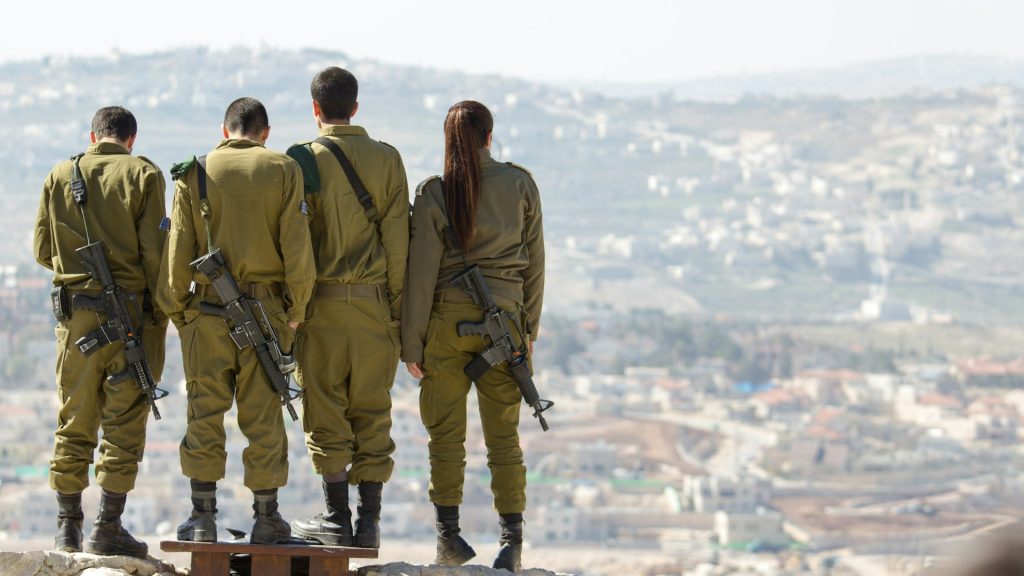
Timon Studler
One factor contributing to desensitization is the sheer volume of images available. With platforms like Instagram and Twitter flooded with user-generated content, it’s easy for powerful photographs to get lost in the shuffle. What was once a carefully curated selection of images in newspapers and magazines has been replaced by an endless stream of photos, often viewed fleetingly as users scroll through their feeds.
Moreover, the nature of social media algorithms may exacerbate this issue. Platforms prioritize engagement, showing users content that is likely to elicit likes, shares, and comments. As a result, graphic images of conflict may be deprioritized in favor of more palatable content, further diminishing their impact.
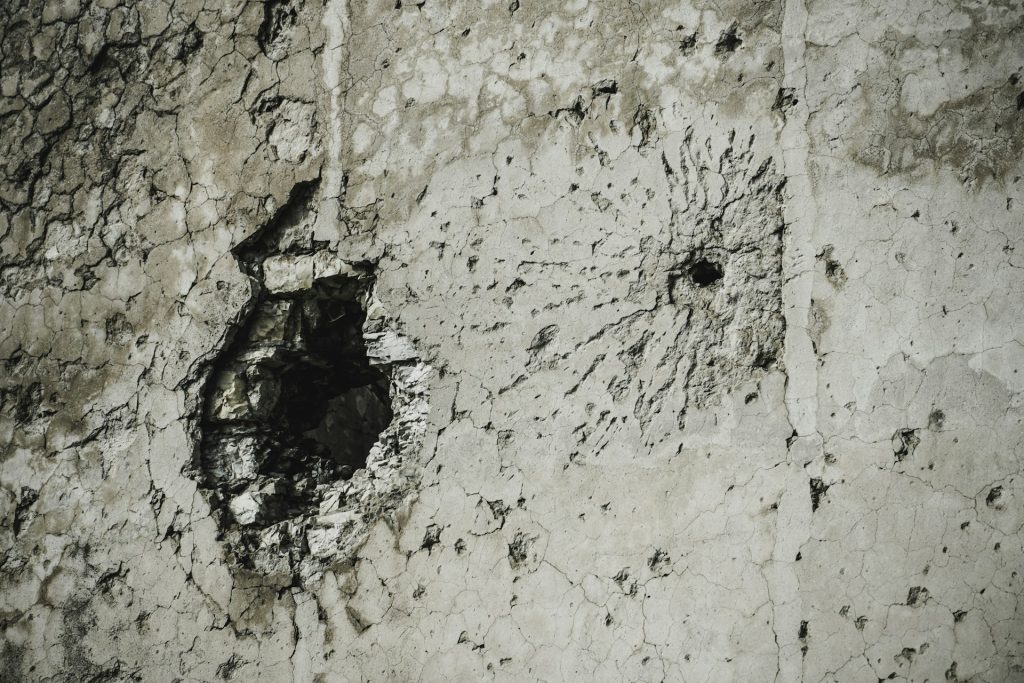
Bimo Luki
Another factor is the phenomenon of compassion fatigue. With constant exposure to images of suffering and violence, individuals may become emotionally numb, tuning out distressing content as a coping mechanism. This can lead to a sense of helplessness and apathy, as viewers feel overwhelmed by the scale of human suffering and unsure of how to respond.
Furthermore, there is evidence to suggest that repeated exposure to graphic images can reduce empathy and increase feelings of hostility towards those depicted in the photographs. This phenomenon, known as the “negative empathy bias,” suggests that instead of fostering understanding and compassion, conflict photography may inadvertently reinforce stereotypes and prejudices.
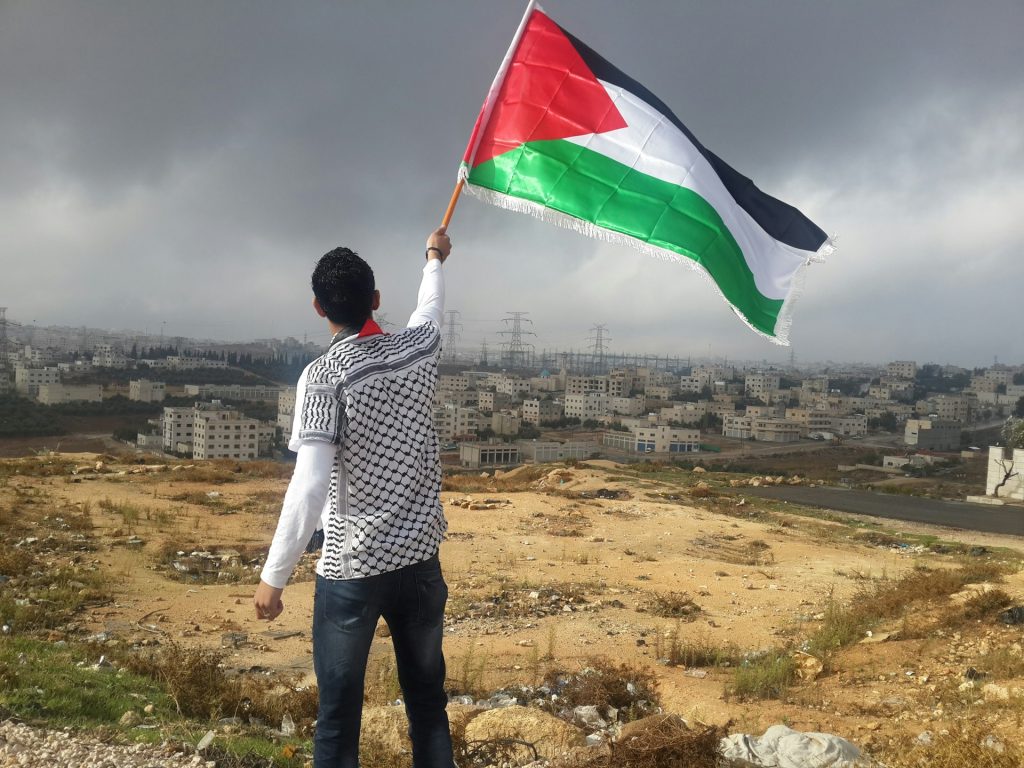
Pavel Neznanov
However, it would be remiss to dismiss the power of conflict photography entirely. Despite the challenges posed by digital media, powerful images still can cut through the noise and capture our attention. In recent years, photographs documenting the Syrian refugee crisis, the Rohingya genocide, and the Black Lives Matter protests have sparked international outrage and prompted calls for action.
Moreover, advances in technology have expanded the reach of conflict photography, allowing photographers to share their work with a global audience instantaneously. Platforms like Magnum Photos and Getty Images provide a platform for photographers to showcase their work and amplify their voices, ensuring that powerful images reach audiences far beyond traditional media outlets.
Ahmed Abu Hameeda
Ultimately, the question of whether we are desensitized to conflict photography is a complex one, with no easy answers. While it is true that the way we consume images has changed, and that there are challenges posed by digital media, the power of photography to evoke emotion and provoke thought remains undiminished.
As visual journalists, it is our responsibility to continue bearing witness to the realities of conflict, using our craft to shine a light on injustice and inspire change. Only then can we ensure that the voices of those affected by war are heard and that the impact of conflict photography endures.
Current Conflicts
There are several ongoing conflicts and crises around the world that have been extensively covered by the media, inundating audiences with images and video clips. Here are a few examples:
Syrian Civil War
The conflict in Syria has been ongoing since 2011, resulting in immense human suffering and displacement. Images of bombed-out cities, refugees fleeing violence, and the impact of chemical attacks have circulated widely in the media, capturing the world’s attention.
Yemeni Civil War
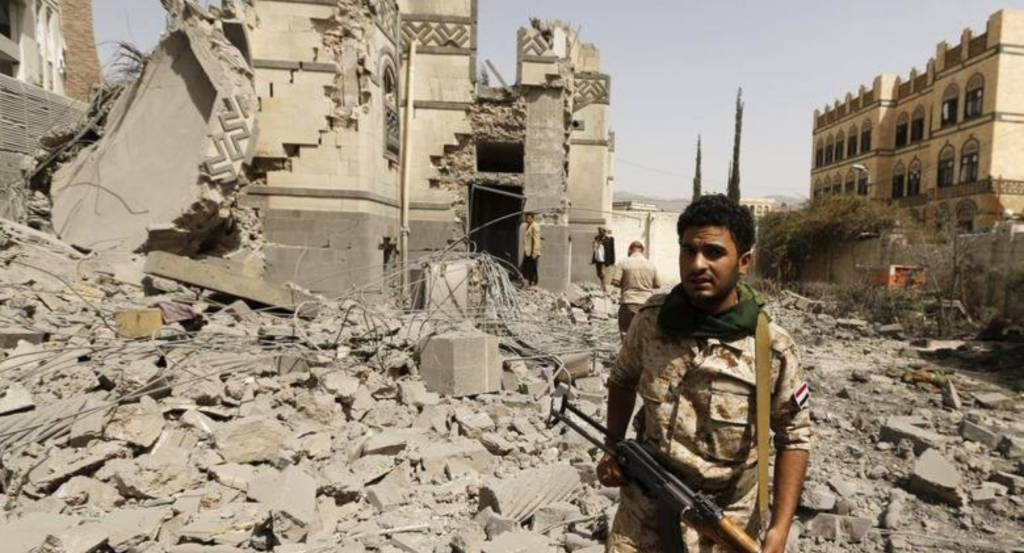
Yemen has been engulfed in a devastating civil war since 2014, leading to widespread famine, disease, and displacement. Images of malnourished children, bombed-out infrastructure, and the humanitarian crisis have been widely circulated, drawing attention to the plight of Yemeni civilians.
Conflict in Afghanistan
Despite the withdrawal of international forces, Afghanistan continues to grapple with violence and instability. Images of suicide bombings, drone strikes, and the daily struggles of Afghan civilians have been documented by journalists and shared across various media platforms.
Israeli-Palestinian Conflict
The longstanding conflict between Israel and Palestine has resulted in decades of violence and tension. Images of protests, clashes between Israeli forces and Palestinian civilians, and the demolition of homes in occupied territories have been widely circulated, sparking debates and raising awareness about the ongoing conflict.
Myanmar Rohingya Crisis
The persecution of the Rohingya Muslim minority in Myanmar has led to a refugee crisis of staggering proportions. Images of Rohingya refugees fleeing violence, crowded refugee camps, and the plight of stateless individuals have been shared widely, drawing attention to the human rights abuses committed against the Rohingya population.
Russian-Ukrainian War
The conflict between Russia and Ukraine, which began in 2014, has resulted in significant human suffering and geopolitical tensions. Stemming from Russia’s annexation of Crimea, the conflict escalated into armed clashes in eastern Ukraine. Images of bombed-out buildings, displaced civilians, and military confrontations have been widely disseminated, shedding light on the ongoing violence and its impact on local communities. Despite diplomatic efforts, including ceasefire agreements, sporadic outbreaks of violence continue, highlighting the persistent challenges in resolving the conflict and restoring stability to the region.
These are just a few examples of conflicts and crises that have inundated the media with images and video clips, highlighting the ongoing struggles faced by millions of people around the world. The visual documentation of these conflicts serves to raise awareness, foster empathy, and provoke discussions about the root causes and potential solutions to these complex issues.
Implications of Desensitization
The implications of desensitization due to constant exposure to conflict images are significant and multifaceted. Here are some key implications:
Reduced Empathy
Desensitization can lead to a reduction in empathy towards those depicted in conflict images. When individuals become accustomed to seeing graphic scenes of violence and suffering, they may become less emotionally responsive and less likely to empathize with the experiences of others. This can erode the sense of solidarity and compassion essential for fostering understanding and support for those affected by conflict.
Normalization of Violence
Continuous exposure to conflict images can contribute to the normalization of violence, where scenes of suffering and destruction become normalized or trivialized. This normalization can distort perceptions of the severity of conflict-related atrocities and make it easier to overlook or dismiss human rights abuses as inevitable or unchangeable.
Diminished Emotional Impact
Desensitization can result in a diminished emotional impact of conflict images on viewers. Over time, individuals may become numb to the shock and horror evoked by graphic images, leading to a blunted emotional response. This can make it more challenging for journalists and humanitarian organizations to effectively communicate the urgency and severity of crises to the public.
Impaired Decision-Making
Desensitization can impair decision-making processes, particularly in public policy and humanitarian interventions. When individuals are desensitized to the human cost of conflict, they may be less inclined to advocate for diplomatic solutions or support humanitarian efforts aimed at alleviating suffering and promoting peace. This can hinder the implementation of effective policies and interventions to address the root causes of conflict and mitigate its impact on affected populations.
Psychological Distress
Desensitization can contribute to psychological distress among individuals who are regularly exposed to conflict images. While some individuals may develop coping mechanisms to deal with the emotional toll of viewing graphic content, others may experience symptoms of anxiety, depression, or post-traumatic stress disorder (PTSD). This can have long-term implications for mental health and well-being, particularly among journalists, aid workers, and others directly involved in documenting and responding to conflicts.
Risk of Apathy and Inaction
Desensitization can increase the risk of apathy and inaction in the face of ongoing conflicts and humanitarian crises. When individuals feel overwhelmed or emotionally detached from the suffering of others, they may be less motivated to take action or support initiatives aimed at addressing the root causes of conflict and promoting peace. This can perpetuate cycles of violence and exacerbate human suffering in conflict-affected regions.
Final Word
In conclusion, conflict photography continues to be a vital tool for documenting the human experience in times of war and crisis. While there are concerns about desensitization and compassion fatigue, the power of images to inspire empathy and action should not be underestimated.
As visual journalists, we must wield our cameras with integrity and compassion, bearing witness to the world’s injustices and striving to make a difference through our work.