
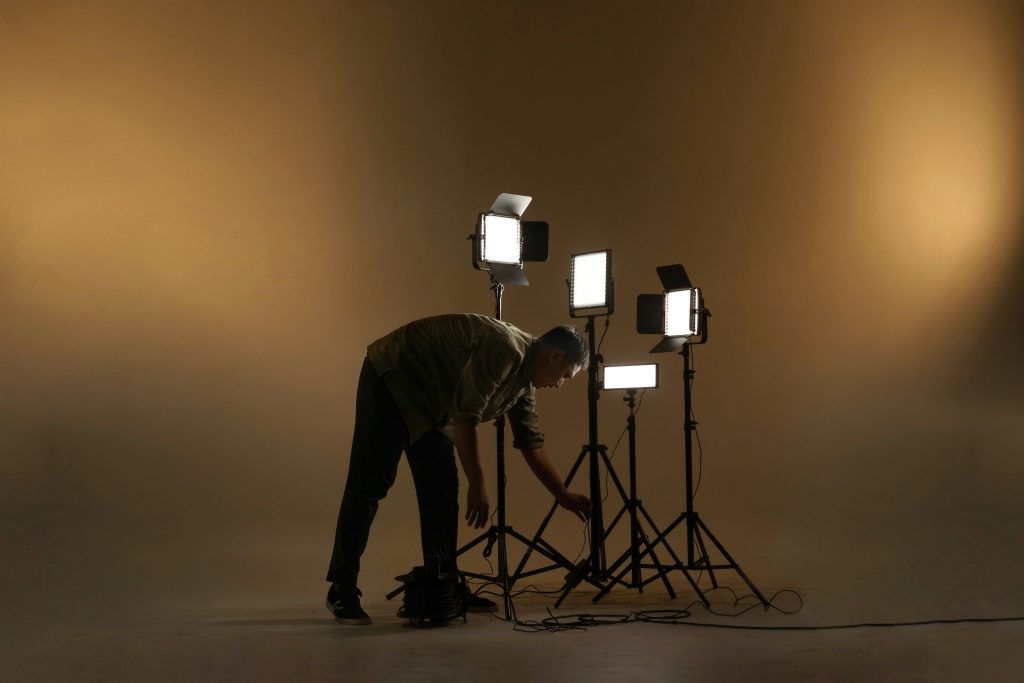
Lighting plays a crucial role in the production of documentary films. This is particularly true when conducting interviews. The right lighting setup can significantly impact the quality of the footage. Not only that, it also conveys mood, emphasizes subjects, and ensures clarity.
This article delves into the importance of lighting in documentary filmmaking. It explores various lighting techniques, and highlights specific products and their benefits.
Cover image by Aditya Wardhana
Importance of Lighting in Documentary Filmmaking
1. Enhancing Visual Quality
Good lighting enhances the visual quality of the footage. It ensures that subjects are visible, colors are accurate, and the image is sharp. Poor lighting, can result in grainy, dull, or overly bright footage that distracts the audience from the content.
2. Conveying Mood and Emotion
Lighting is a powerful tool for setting the mood and conveying emotions. For instance, soft, warm lighting can create a comforting and intimate atmosphere. Harsh, cold lighting can convey tension or discomfort. The right lighting choices help filmmakers tell a more compelling story by visually reinforcing the narrative.
3. Focusing Attention
Lighting directs the audience’s attention to specific parts of the frame. By highlighting the interview subject and dimming the background, filmmakers can ensure that viewers focus on the person speaking. This is especially important in interviews where the subject’s expressions and body language are crucial.
4. Creating Depth and Dimension
Proper lighting adds depth and dimension to a scene, preventing it from looking flat. Techniques like three-point lighting help separate the subject from the background. Key, fill, and backlighting make the scene more visually engaging.
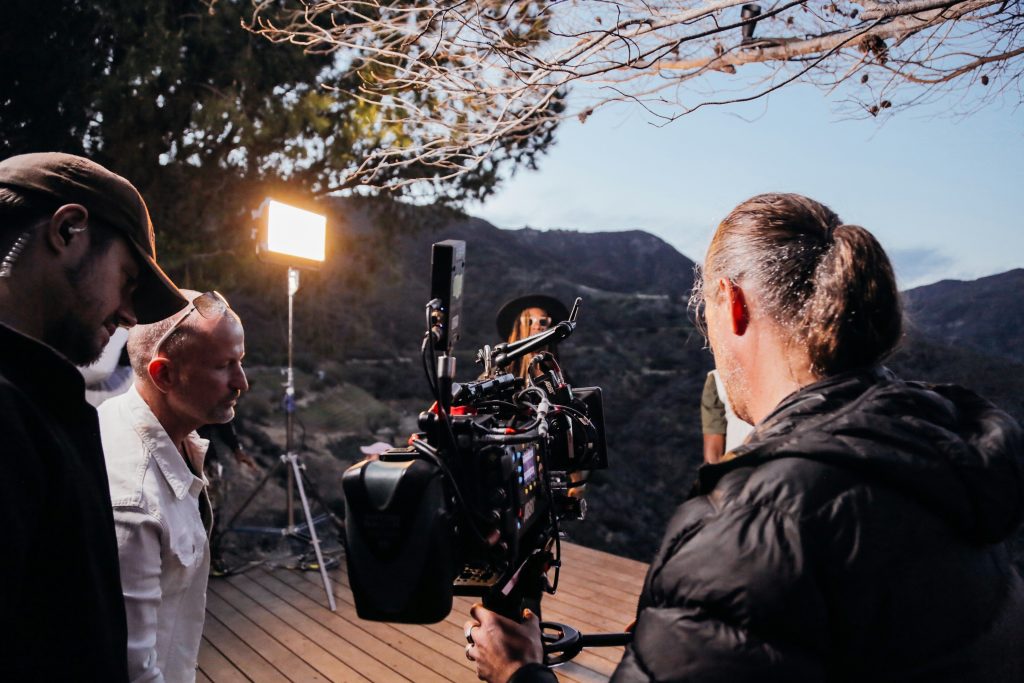
Lighting Techniques for Documentary Interviews
1. Three-Point Lighting
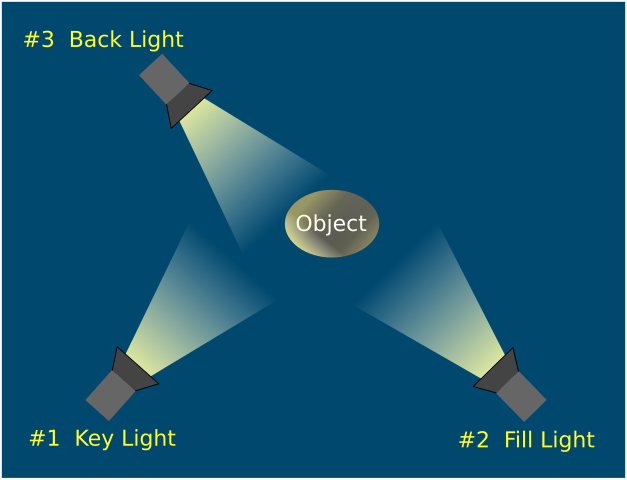
Three-point lighting is a foundational technique in film and video production. It involves three primary light sources:
Key Light: The main light source that illuminates the subject. It is typically placed at a 45-degree angle to the subject’s face, creating natural shadows and highlights.
Fill Light: A softer light placed opposite the key light to fill in shadows without eliminating them. This light balances the exposure and prevents harsh contrasts.
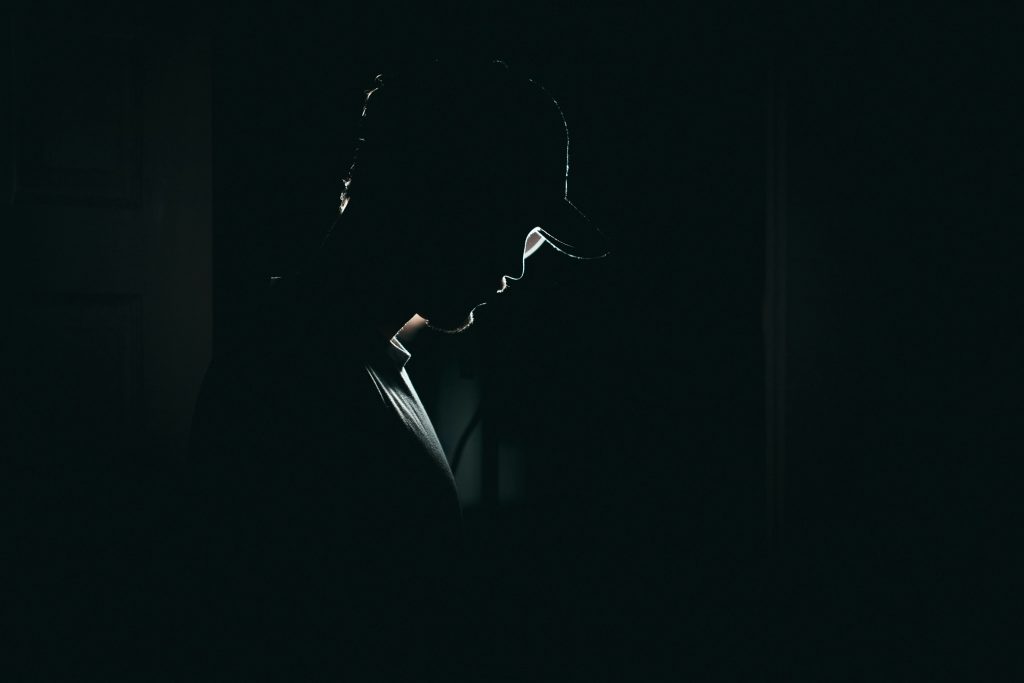
Back Light: Positioned behind the subject, this light creates a rim of light around the subject. This helps to separate them from the background and adding depth.
2. Natural Lighting
Using natural light can be both challenging and rewarding. It involves leveraging sunlight to illuminate the scene. While it can create beautiful and organic results, it requires careful planning and timing to avoid harsh shadows and overexposure.
3. Practical Lighting
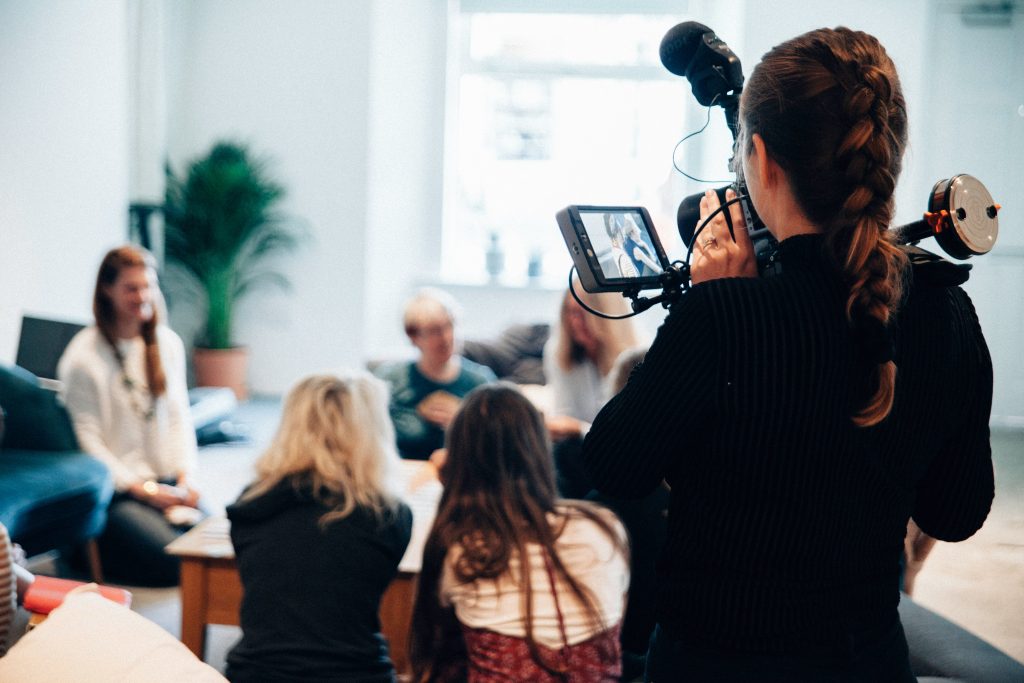
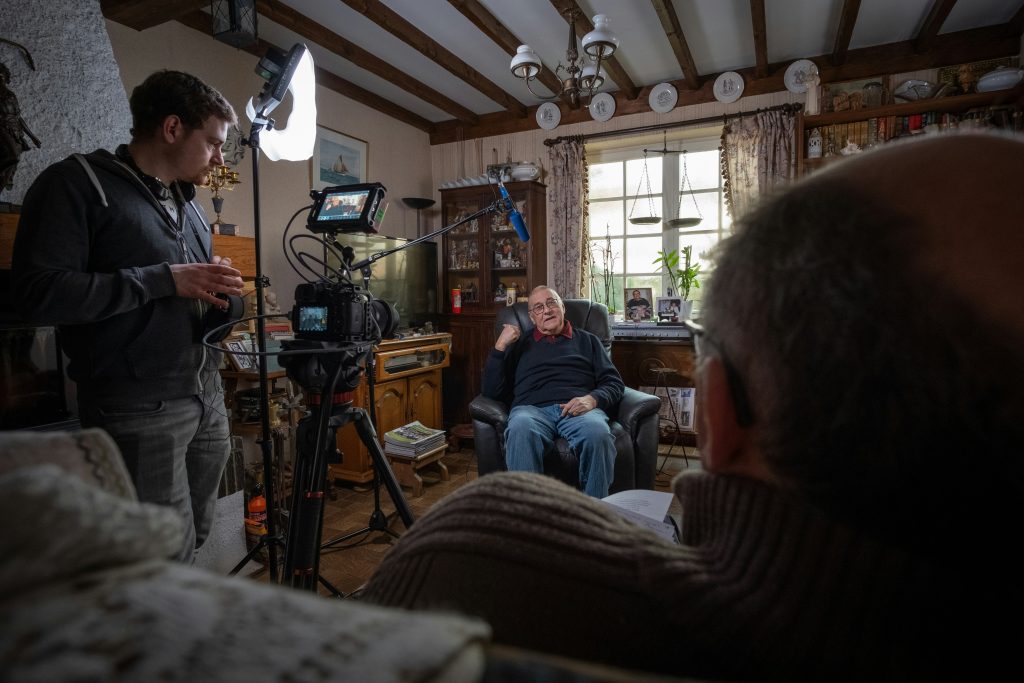
Practical lighting refers to the use of existing light sources within the scene, such as lamps, windows, or overhead lights. This technique can create a more authentic and less contrived look. It is a must in making the interview setting feel natural and relatable.
4. Soft Lighting
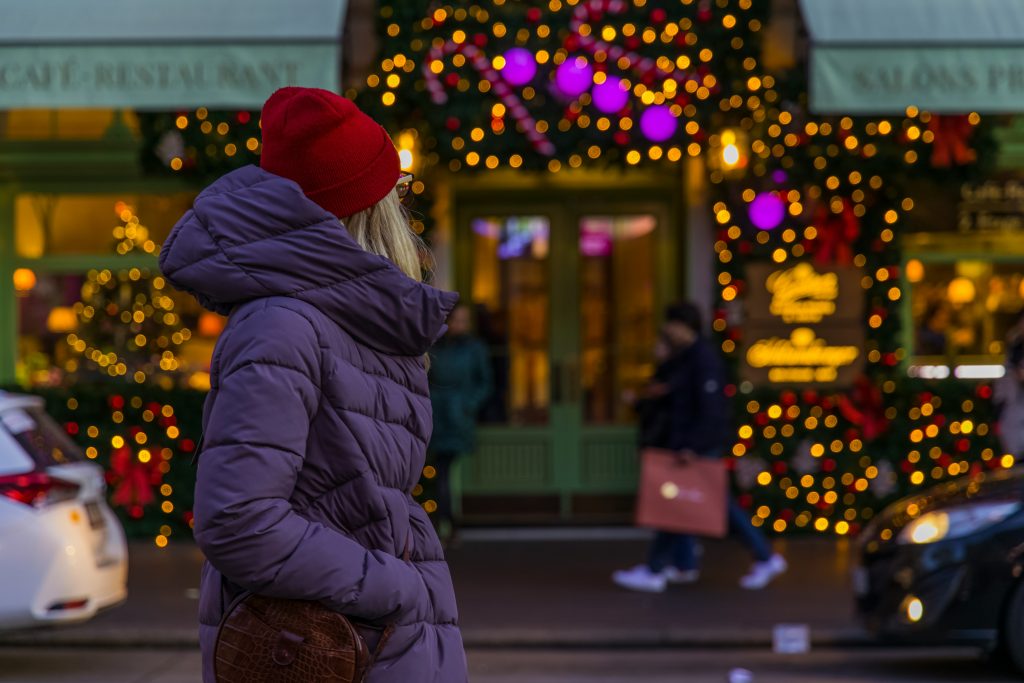
Soft lighting is achieved using diffusers, softboxes, or bounce cards to scatter light and reduce harsh shadows. This type of lighting is often used to create a flattering look for the interview subject. It does this by smoothing out imperfections and creating a gentle, even illumination.
On-Camera vs. Off-Camera Lighting
Placement in Documentary Interviews
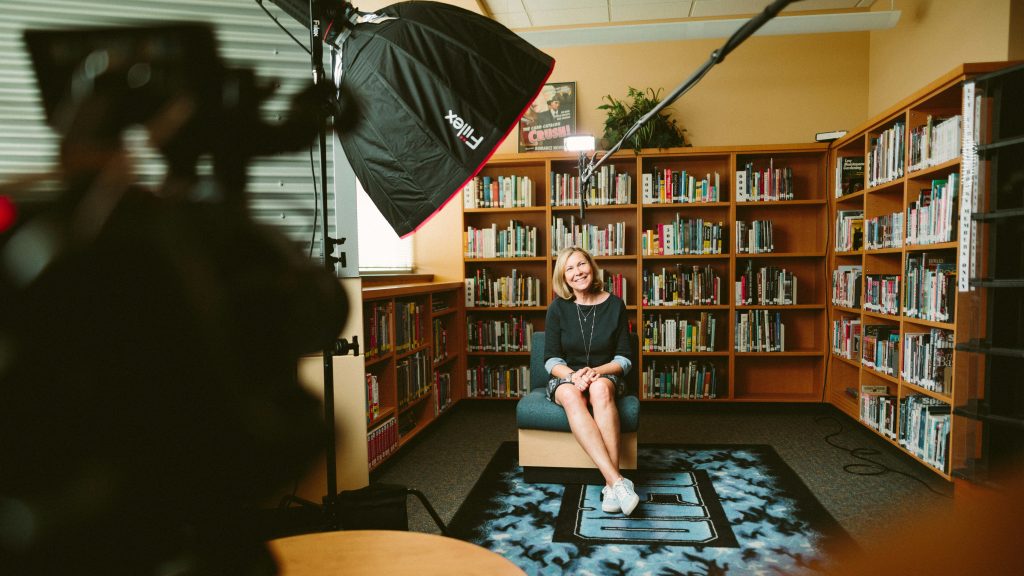
The placement of lighting in documentary interviews significantly influences the final visual outcome. Both on-camera and off-camera lighting have their own set of benefits and drawbacks.
Understanding these can help filmmakers make informed decisions. The right equipment allows them to achieve their desired aesthetic and technical results.
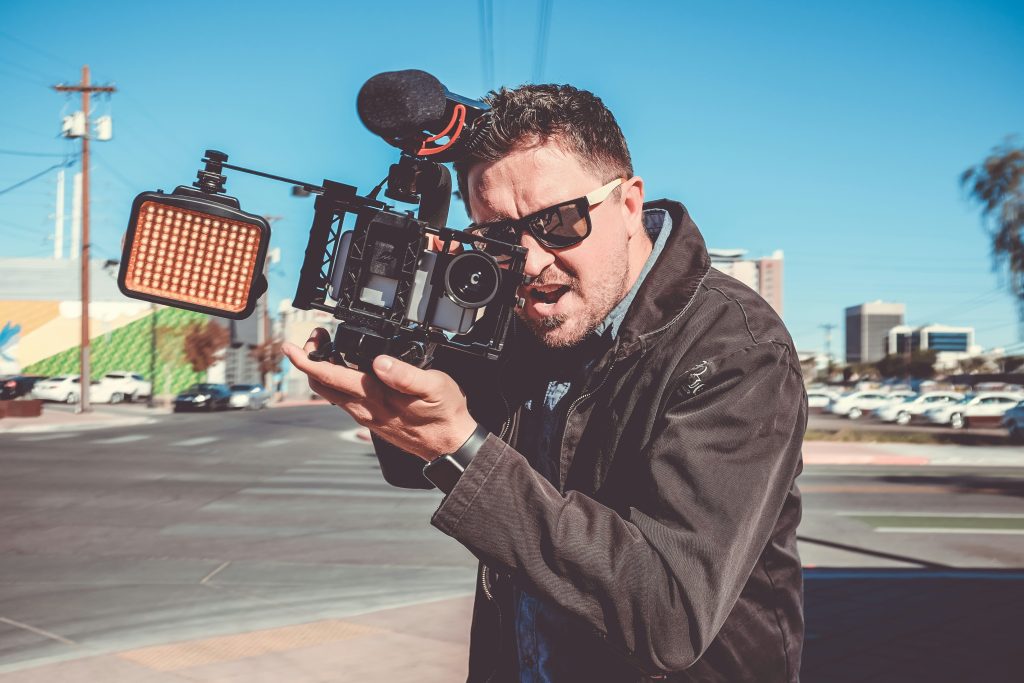
On-Camera Lighting
1. Benefits of On-Camera Lighting
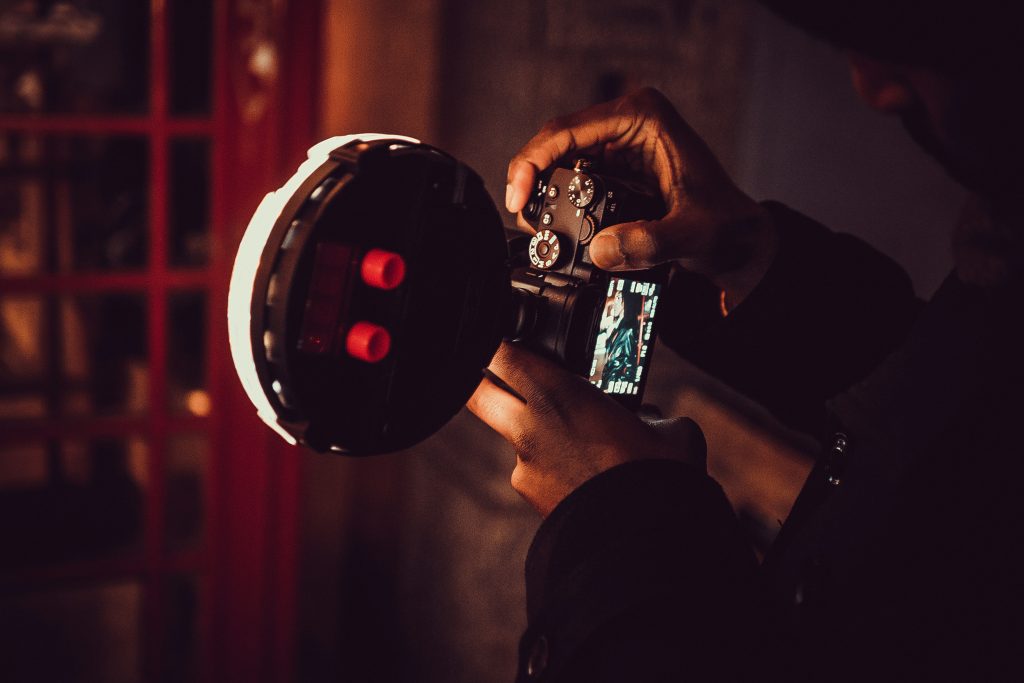
Ease of Setup: On-camera lights are straightforward to set up. They attach directly to the camera, eliminating the need for more light stands or complicated rigging.
Portability: On-camera lighting solutions, like LED ring lights or small LED panels, are highly portable. This makes them ideal for run-and-gun documentary filmmaking where mobility is crucial.
Uniform Illumination: On-camera lights provide a consistent light source that moves with the camera. This ensures the subject is always well-lit, regardless of their movement or the camera’s angle.
Reduced Shadows: Since the light source is aligned with the camera, on-camera lighting reduces harsh shadows. This creating a more even and shadow-free illumination on the subject’s face.
2. Drawbacks of On-Camera Lighting
Flat Lighting: On-camera lights can produce a flat and uninteresting look because the light is directly in line with the subject and the camera. This lack of depth and dimension can make the footage look less professional.
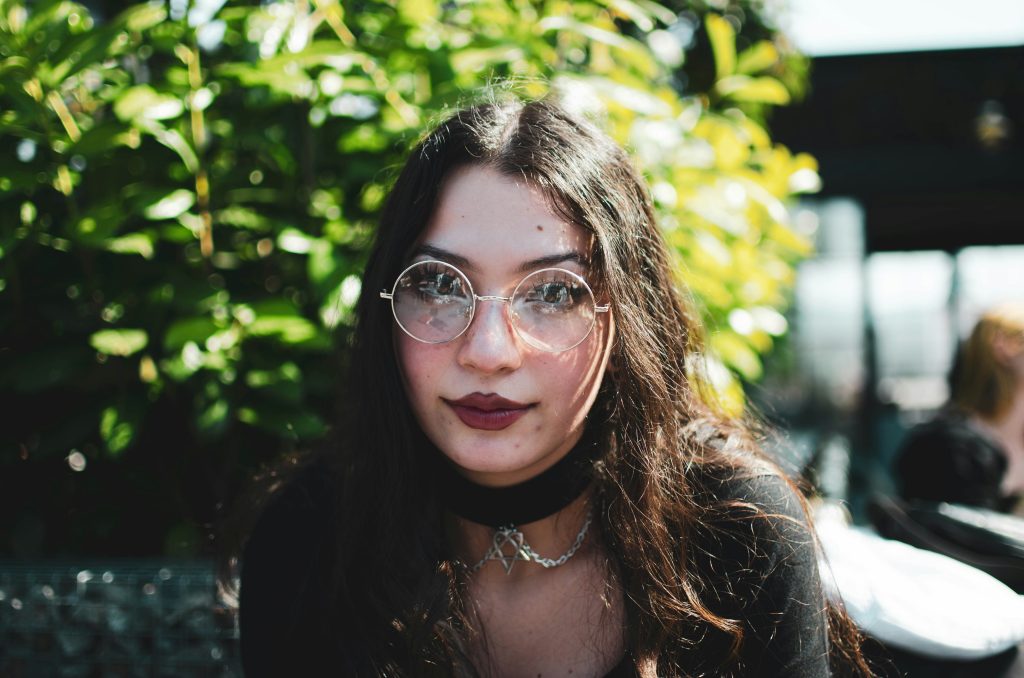
Glaring Effects: Direct on-camera lighting can cause unwanted glare or reflections. This is especially true if the subject wears glasses or has shiny skin.
Limited Control: On-camera lights offer less flexibility in shaping the light and controlling shadows compared to off-camera setups. This can limit creative lighting options.
Off-Camera Lighting
1. Benefits of Off-Camera Lighting
Creative Flexibility: Off-camera lighting allows for a variety of creative lighting setups. Filmmakers can experiment with different angles and intensities to achieve the desired look. Whether it’s dramatic shadows or soft, diffused light.
Enhanced Depth and Dimension: Placing lights off-camera, such as using a three-point lighting setup, adds depth and dimension to the scene. This helps separate the subject from the background and creates a more visually appealing image.
Control Over Shadows: Off-camera lighting provides better control over shadows. This allows filmmakers to sculpt the subject’s features and create a more dynamic and interesting visual effect.
Customized Mood and Atmosphere: By adjusting the placement and type of off-camera lights, filmmakers can set the mood and atmosphere of the interview. For example, a single key light from the side can create a dramatic, high-contrast look, while soft fill lights can create a gentle, welcoming feel.
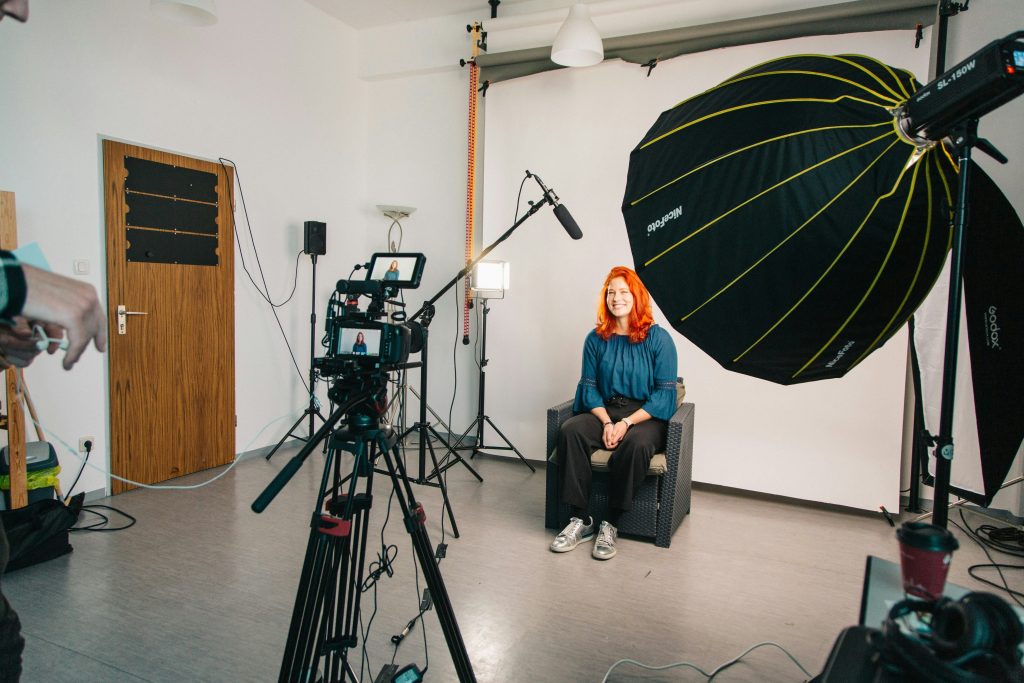
2. Drawbacks of Off-Camera Lighting
Complex Setup: Off-camera lighting setups can be more complex and time-consuming to arrange. They need light stands, modifiers, and careful positioning to achieve the desired effect.
Less Portability: Off-camera lights are typically less portable than on-camera options. Transporting and setting up many lights can be challenging. This is especially true for solo filmmakers or small crews working in various locations.
Space Requirements: Off-camera lighting setups often need more space. In small or confined interview locations, it may be difficult to position lights effectively without crowding the set.
Potential for Inconsistent Lighting: If the subject or camera moves, the lighting may no longer be optimal. It may need constant adjustmenting. This can be particularly challenging in dynamic interview situations where both the subject and camera are frequently repositioned.
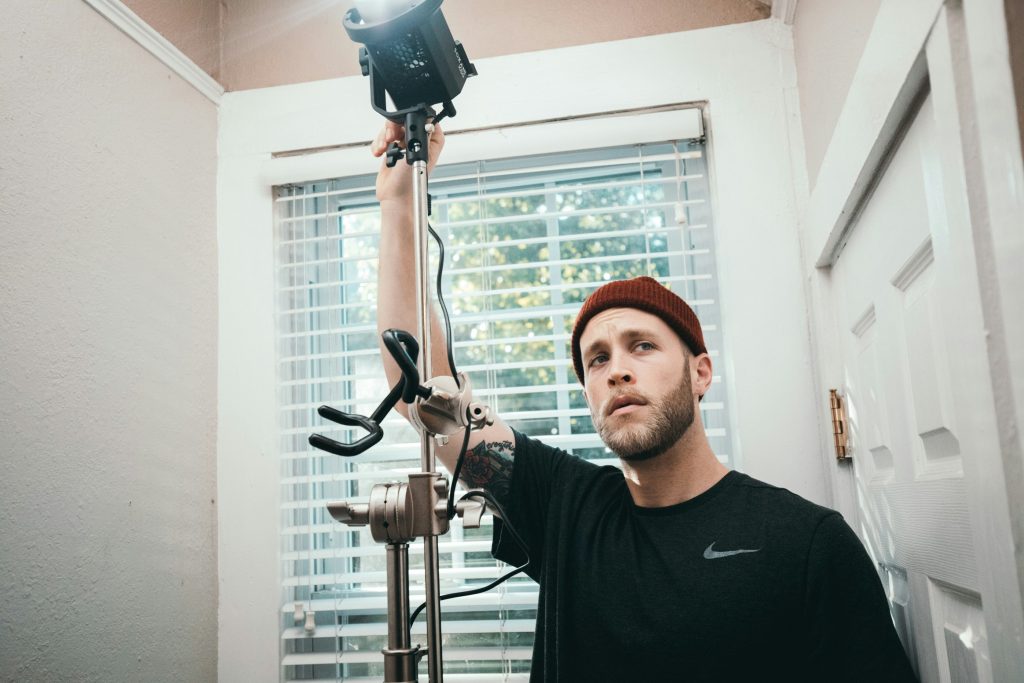
Choosing Between On-Camera and Off-Camera Lighting
The choice between on-camera and off-camera lighting depends on several factors. These include the specific needs of the documentary, the shooting environment, and the desired visual style.
Documentary Style and Aesthetic: For a more polished and cinematic look, off-camera lighting is often preferred. It offers greater control and flexibility to create depth and mood. But, on-camera lighting might be suitable for more casual, intimate, or spontaneous interviews. Especially where ease and speed are prioritized.
Shooting Environment: In controlled environments like studios or static indoor locations, off-camera lighting is ideal. It allows for precise and consistent setups. In contrast, on-camera lighting is beneficial for unpredictable or fast-paced environments. It is best used where quick adjustments are necessary.
Resource Availability: Off-camera lighting generally requires more equipment and setup time. Filmmakers with limited resources or those working solo might find on-camera lighting more practical and manageable.
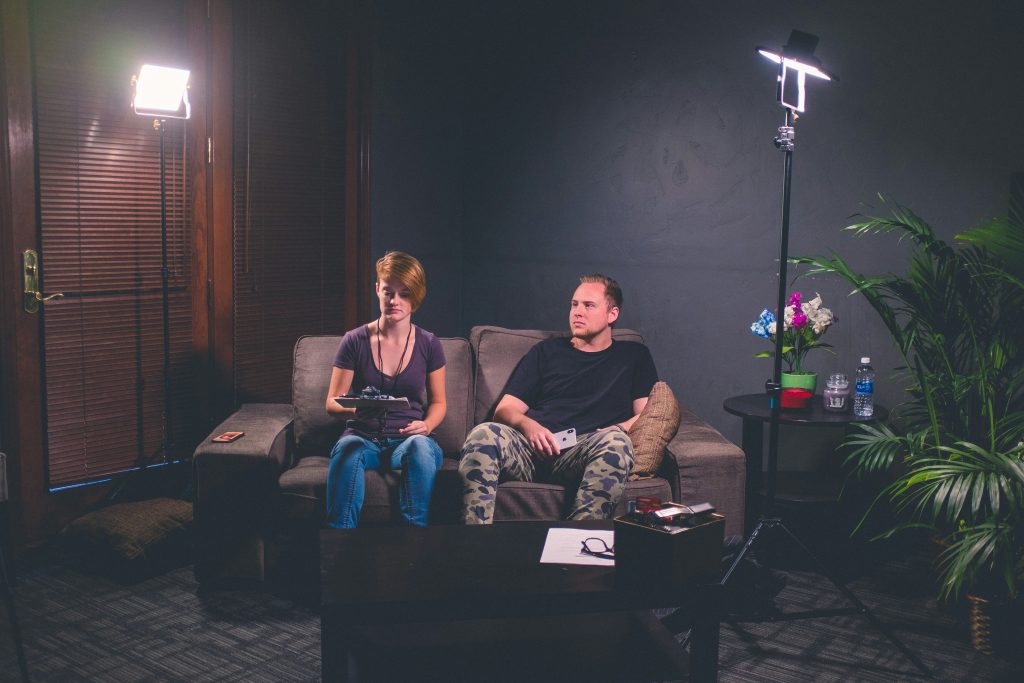
Types of Lighting and Their Benefits
1. LED Panels
LED panels, such as the Aputure Light Storm series, are popular in documentary filmmaking. This is due to their versatility and efficiency. They offer adjustable color temperature and brightness, making them suitable for various shooting conditions. Benefits include:
Portability: Lightweight and easy to transport, ideal for on-location shoots.
Energy Efficiency: Consume less power, reducing the need for heavy-duty power sources.
Dimmability: Precise control over light intensity.
2. Softboxes and Diffusers
Softboxes, like the Neewer Softbox Kit, and diffusers are essential for creating soft, even lighting. They help diffuse harsh light sources, resulting in a more flattering light for the subject. Benefits include:
Natural Look: Creates a soft, natural-looking light that is gentle on the subject’s features.
Versatility: Can be used with various light sources, including LEDs and strobes.
3. Ring Lights
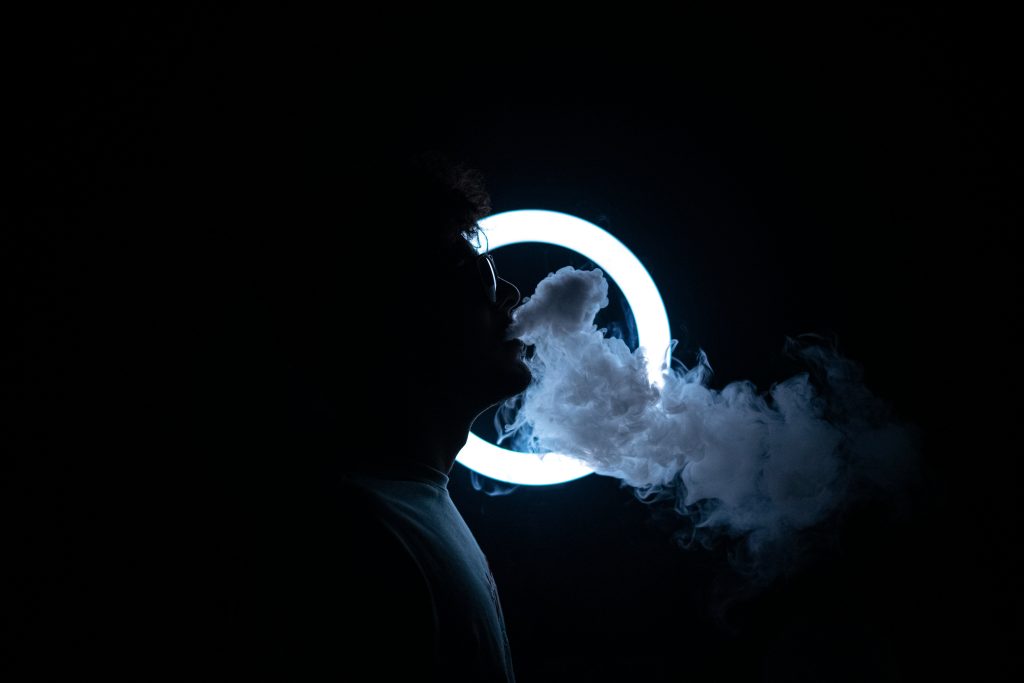
Ring lights, such as the Neewer Ring Light Kit, are particularly useful for creating an even, shadow-free light. This is ideal for close-up interviews. Benefits include:
Catchlight Effect: Produces a pleasing ring-shaped catchlight in the subject’s eyes, adding sparkle and life to the footage.
Compact Design: Easy to set up and adjust, suitable for smaller interview setups.
4. Fresnel Lights
Fresnel lights, like the ARRI Fresnel series, offer focused and adjustable beams. These make them excellent for key lighting in controlled environments. Benefits include:
Focus Control: Ability to focus the beam, providing precise lighting control.
Durability: Built to withstand rigorous use, making them reliable for long-term projects.
5. Practical Lights
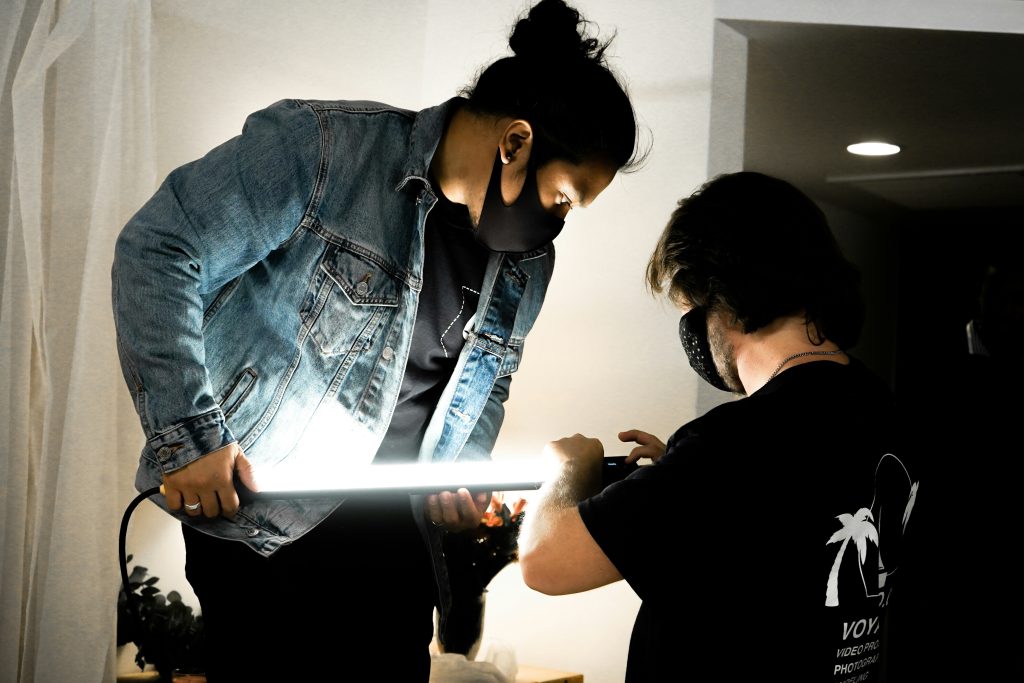
Utilizing practical lights, such as Philips Hue smart bulbs, allows filmmakers to integrate real-world light sources into their scenes. These lights can be controlled via apps, offering customizable color and intensity. Benefits include:
Authenticity: Enhances the realism of the scene by using familiar light sources.
Flexibility: Easy to adjust remotely, providing creative control over the lighting ambiance.
Choosing the Right Lighting Setup
1. Consider the Interview Setting
The location of the interview greatly influences the choice of lighting. Indoor settings may enjoy controlled lighting setups like three-point lighting. Outdoor settings might rely more on natural light and portable LED panels.
2. Evaluate the Subject’s Features
Different lighting setups can flatter or detract from the interview subject’s appearance. Soft lighting is often preferred for a more flattering look, especially in close-up shots.
3. Assess the Available Budget
Budget constraints can dictate the choice of lighting equipment. High-end lights like ARRI Fresnels offer excellent quality. Budget-friendly options like Neewer LED panels or ring lights can also deliver impressive results.
4. Plan for Portability and Ease of Setup
For documentary filmmakers who often work on location, portability and ease of setup are crucial. Lightweight and battery-operated lights can save time and effort during shoots.
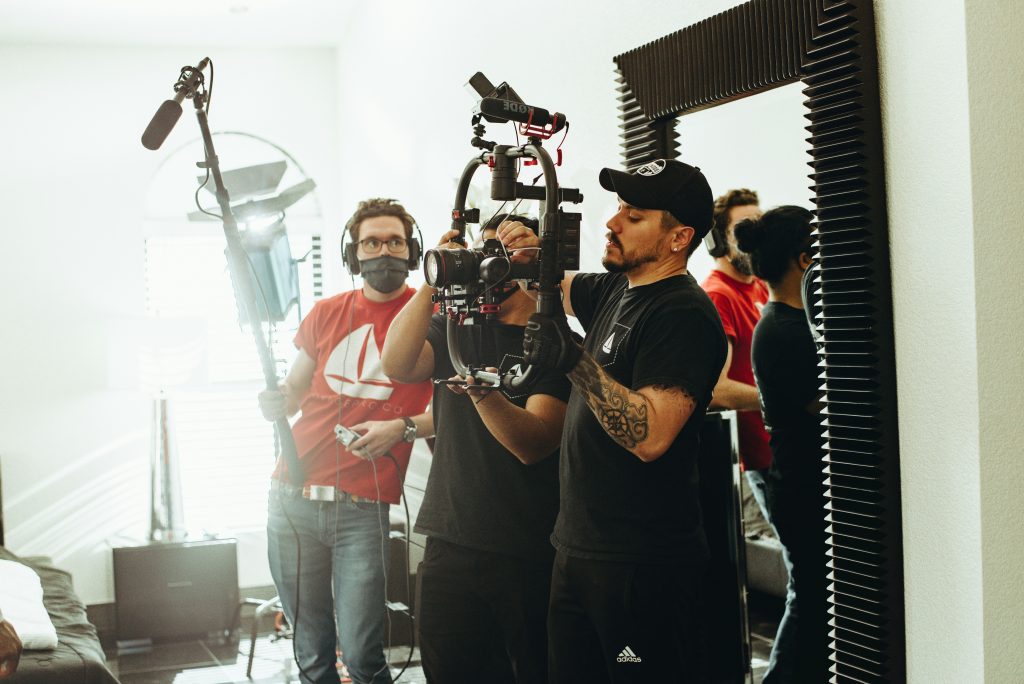
Final Words
Lighting is a vital component of documentary filmmaking, particularly for interview scenes. It enhances visual quality, conveys mood, focuses attention, and adds depth to the footage. Understanding various lighting techniques, from three-point to practical, allows filmmakers to choose the right setup for their needs.
Investing in quality lighting products, such as LED panels, and Fresnel lights, can significantly elevate the production value of a documentary. By carefully considering the interview setting, subject features, budget, and portability needs, filmmakers can create visually compelling and emotionally resonant interviews. It makes the difference that captivates audiences.
By mastering the art of lighting, documentary filmmakers can ensure their subjects are presented in the best possible light. Pun intended. The lighting enhances the overall impact of their storytelling.


